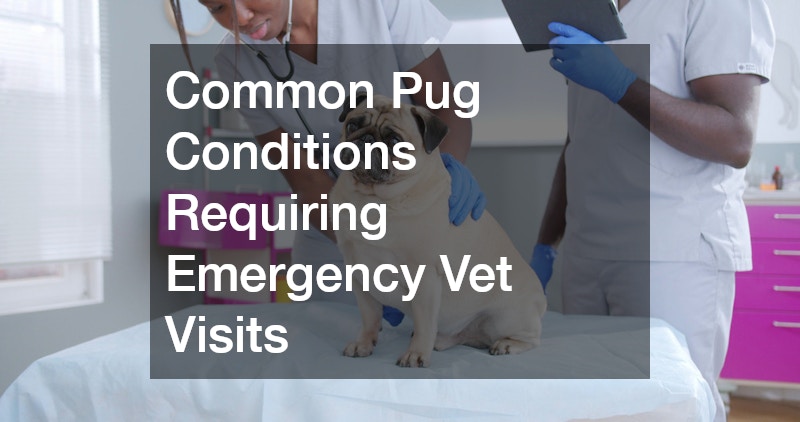

Pugs are affectionate, playful companions, but their unique anatomy also makes them one of the most medically sensitive dog breeds. Their short snouts, compact airways, prominent eyes, and tendency toward obesity create a combination of risk factors that can turn minor health issues into emergencies very quickly.
For pug owners, knowing what constitutes a true emergency is essential. Many conditions escalate rapidly, and waiting too long can significantly worsen outcomes. Recognizing early warning signs and understanding what immediate steps to take can make a critical difference in your dog’s recovery and survival.
This guide breaks down the most common emergency conditions in pugs, what symptoms to watch for, and how to respond effectively when time matters most.
Breathing Emergencies in Pugs: When Every Second Counts
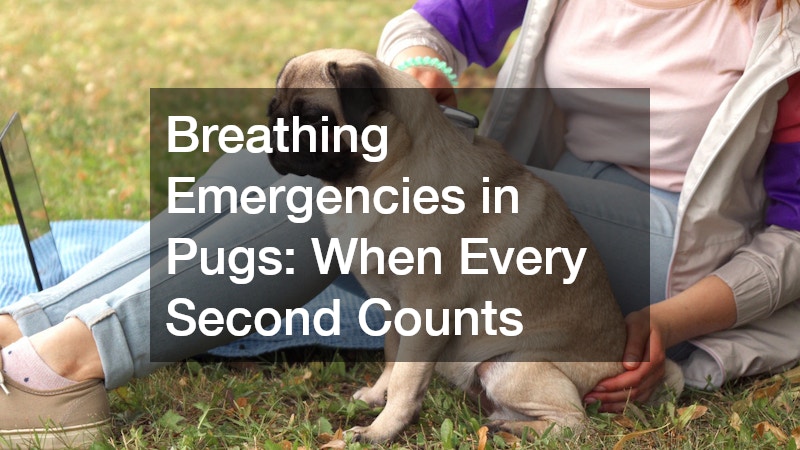
Pugs are particularly vulnerable to respiratory distress due to brachycephalic airway syndrome, a condition that affects short-nosed breeds. Their narrowed nostrils and elongated soft palates can restrict airflow, making even mild stress or heat dangerous.
In severe cases, owners may need to seek an emergency vet or utilize pet urgent care services immediately when symptoms escalate.
Warning signs of a breathing emergency:
- Labored or open-mouth breathing at rest
- Blue or gray gums and tongue
- Excessive loud snorting or gasping
- Sudden collapse after activity or excitement
- Inability to settle or rest comfortably
Immediate actions before transport:
- Move the pug to a cool, shaded environment
- Keep them calm and avoid stimulation
- Use a fan or cool air (not ice-cold water directly)
- Avoid forcing movement or handling excessively
Why is this urgent?
Respiratory distress can lead to oxygen deprivation, organ failure, and collapse within minutes. Professional stabilization is often required quickly through oxygen therapy, sedation, or airway intervention.
Prompt intervention from a pet urgent care or an emergency vet can be lifesaving, especially during hot weather or periods of stress.
Heat Stroke Risks and Rapid Response for Pugs
Pugs are highly susceptible to overheating due to their limited ability to regulate temperature. Even short walks in warm weather can lead to dangerous heat stroke.
In these situations, contacting an urgent care veterinarian is critical, as veterinary services are often required immediately to stabilize body temperature.
Signs of heat stroke:
- Heavy panting that does not slow down
- Bright red or pale gums
- Vomiting or diarrhea
- Weakness or collapse
- Disorientation or seizures
Immediate cooling steps:
- Move the dog into shade or air conditioning
- Apply cool (not cold) wet towels to paws and belly
- Offer small amounts of water if conscious
- Avoid ice baths, which can cause shock
Veterinary treatment may include:
- IV fluids for hydration and shock prevention
- Oxygen support
- Body temperature monitoring
- Electrolyte correction
Heat stroke can progress rapidly, so quick action and professional care from an urgent care veterinarian can significantly improve survival rates.
Allergic Reactions and Facial Swelling Issues
Pugs can experience sudden allergic reactions to food, insect bites, medications, or environmental triggers. Because of their facial structure, swelling can quickly interfere with breathing.
Visiting a vet clinic or local veterinary clinic as soon as symptoms appear is crucial to prevent escalation.
Signs of an allergic emergency:
- Swelling of the face, muzzle, or eyes
- Sudden hives or skin irritation
- Repeated vomiting or diarrhea
- Excessive scratching or agitation
- Difficulty breathing
Immediate steps at home:
- Remove potential allergens if known
- Prevent scratching or rubbing of affected areas
- Monitor breathing closely
- Do not administer human medications
Veterinary treatment options:
- Antihistamines or steroids
- Oxygen therapy in severe cases
- Monitoring for airway obstruction
- Identification of allergen triggers
A prompt visit to a vet clinic or local veterinary clinic ensures rapid relief and reduces the risk of life-threatening complications.
Gastrointestinal Blockages and Toxic Ingestion
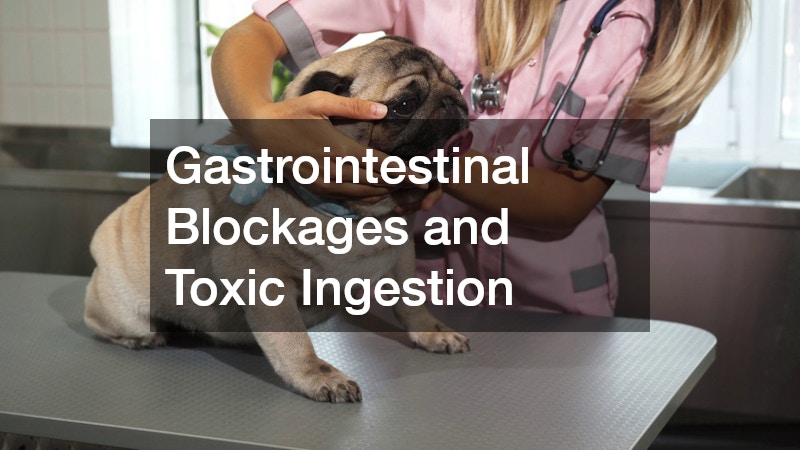
Pugs are notorious for eating objects they shouldn’t, from toys to household items. This behavior puts them at high risk for intestinal blockages or poisoning.
In serious cases, treatment at a veterinary clinic or animal hospital is necessary to prevent fatal complications.
Symptoms of blockage or poisoning:
- Persistent vomiting or dry heaving
- Loss of appetite
- Abdominal pain or bloating
- Lethargy or weakness
- Straining without producing stool
What owners should do immediately:
- Remove access to suspected toxins or objects
- Avoid feeding until evaluated
- Keep the dog calm and still
- Bring any suspected ingested item if possible
Diagnostic and treatment methods:
- X-rays or ultrasound imaging
- Induced vomiting (in select toxin cases)
- Endoscopy or surgery for blockages
- IV fluids and supportive care
Animal hospitals are often equipped for advanced diagnostics and emergency surgery, which can be critical in severe cases.
Eye Injuries and Sudden Vision Problems in Pugs
Due to their large, protruding eyes, pugs are highly prone to corneal injuries, scratches, and even dislocation of the eye.
Immediate care from a veterinarian is essential to prevent permanent vision loss and complications.
Warning signs:
- Excessive squinting or blinking
- Cloudy or red eye appearance
- Pawing or rubbing at the face
- Sudden vision changes
- Thick or abnormal discharge
At-home precautions:
- Prevent the dog from rubbing its eye
- Use an Elizabethan collar if available
- Avoid using drops without veterinary approval
Treatment options:
- Antibiotic or lubricating eye drops
- Pain management medication
- Surgical repair in severe cases
- Protective eye care plans
Timely veterinary services can often prevent long-term damage and restore eye health effectively.
Seizures and Sudden Neurological Episodes
Seizures in pugs can be alarming and may result from epilepsy, toxins, or metabolic imbalances. These events require immediate emergency vet evaluation.
In many cases, urgent veterinary care is necessary to identify the underlying cause.
What seizures may look like:
- Full-body shaking or convulsions
- Loss of consciousness
- Drooling or foaming at the mouth
- Temporary confusion after the episode
- Involuntary urination
What to do during a seizure:
- Keep the area safe and remove hazards
- Do not restrain the dog
- Time the seizure duration
- Keep noise and light minimal
Veterinary response includes:
- Blood tests and neurological evaluation
- Anti-seizure medications
- IV fluids if needed
- Monitoring for recurrent episodes
Quick intervention from emergency veterinary care helps reduce recurrence risk and identify underlying causes.
Skin Infections and Rapidly Worsening Conditions

Pugs’ skin folds can trap moisture and bacteria, making them prone to infections that may escalate quickly if untreated.
In more severe cases, pet urgent care may be required to prevent systemic infection.
Symptoms of infection:
- Strong odor from skin folds
- Redness or swelling
- Pus or discharge
- Constant itching or discomfort
- Pain when touched
At-home care tips:
- Clean folds gently with vet-approved wipes
- Keep areas dry after bathing
- Monitor for worsening redness or swelling
Veterinary treatment:
- Antibiotics or antifungal medication
- Medicated shampoos
- Drainage of severe infections
- Long-term hygiene plans
Early intervention at a vet clinic can prevent chronic issues and serious infections.
Heart-Related Emergencies and Sudden Weakness
Heart conditions in pugs may develop silently before sudden symptoms appear. These cases require prompt evaluation at a local veterinary clinic.
Warning signs:
- Persistent coughing
- Fainting or collapsing
- Difficulty breathing after mild activity
- Weakness or lethargy
- Swollen abdomen
What owners should do:
- Restrict physical activity immediately
- Monitor breathing and energy levels
- Seek veterinary evaluation as soon as possible
Diagnostic procedures:
- Chest X-rays
- ECG testing
- Blood pressure monitoring
- Echocardiograms
Proper veterinary services help manage heart disease and improve the quality of life through medication and lifestyle adjustments.
Urinary Blockages and Painful Bathroom Struggles
Urinary blockages are life-threatening emergencies that can affect pugs, especially males. These cases require immediate treatment at animal hospitals.
Urinary blockages occur when the urethra becomes partially or completely obstructed, preventing the dog from passing urine. In pugs, this condition can escalate quickly into a full-body medical crisis because waste toxins begin building up in the bloodstream when urine cannot be eliminated. Male pugs are at higher risk due to their narrower urethral anatomy, which makes them more prone to obstruction from crystals, mucus plugs, or small bladder stones.
What makes this condition especially dangerous is how quickly it progresses. Within 24–48 hours, a complete blockage can lead to kidney failure, electrolyte imbalances, heart irregularities, and severe pain. Because of this rapid deterioration, any suspicion of a urinary blockage should be treated as an immediate emergency requiring intervention at an animal hospital.
Symptoms include:
- Straining to urinate without output, often repeatedly attempting with little or no success
- Crying, whining, or other clear signs of pain during attempts to urinate
- Blood in urine or urine that appears dark, cloudy, or unusually strong in odor
- Lethargy or vomiting, which can indicate toxin buildup in the bloodstream
- Swollen abdomen that may feel firm or tense when gently observed
Additional signs may include pacing, frequent squatting, licking the genital area excessively, or appearing restless and unable to get comfortable. Some dogs may also stop eating due to nausea caused by toxin accumulation.
Immediate actions:
- Do not attempt home remedies, as delaying professional care can significantly worsen the condition
- Keep the dog calm and avoid unnecessary movement or stress, which can increase discomfort
- Offer small amounts of water if the dog is conscious and not vomiting, but do not force hydration
- Seek emergency evaluation immediately without waiting for symptoms to improve
It is important not to press on the abdomen or attempt to manually express the bladder, as this can cause rupture or additional internal injury. Even short delays in treatment can dramatically affect outcomes.
Hospital treatments:
- Catheter placement to relieve the obstruction and allow urine to drain safely
- IV fluids to restore hydration, flush toxins, and support kidney function
- Pain management to reduce severe discomfort and stabilize the dog
- Imaging to identify the cause, such as X-rays or ultrasound, to detect stones or structural issues
In more severe or recurrent cases, additional interventions may be required, such as catheter retention for several days, dietary management for crystal prevention, or surgical procedures like cystotomy to remove bladder stones. Bloodwork is also commonly performed to assess kidney function and electrolyte balance.
Animal hospitals are essential for resolving urinary emergencies quickly and safely because they provide round-the-clock monitoring, advanced diagnostic tools, and immediate access to life-saving interventions. Without rapid treatment, urinary blockages can become fatal, making timely emergency care critical for survival and long-term health.
Trauma Injuries from Accidents or Falls

Even seemingly minor falls can lead to serious injuries in pugs because of their compact skeletal structure, short limbs, and compromised airway anatomy. Unlike larger or more athletic breeds that may absorb impact more effectively, pugs often land in ways that place stress on joints, ribs, or the spine. Even a fall from a couch, bed, or short staircase can result in fractures, sprains, or internal injuries that are not immediately visible.
A veterinarian should evaluate any suspected trauma as part of urgent veterinary care because symptoms can worsen over time if internal injuries or soft tissue damage are overlooked. In some cases, dogs may appear stable right after an incident but deteriorate hours later due to internal bleeding, inflammation, or shock.
Signs of trauma:
- Limping or inability to walk, especially if sudden or uneven
- Visible wounds, bruising, or swelling that develops quickly
- Whining, restlessness, or clear signs of discomfort when touched or moved
- Difficulty breathing after impact, which may indicate chest injury or stress response
- Sudden behavioral changes such as hiding, aggression, or confusion
Additional warning signs that may not be immediately obvious include reluctance to jump, stiffness when standing, or a noticeable change in posture, such as a hunched back or lowered head. These subtle indicators can signal pain even when external injuries are not visible.
Immediate steps:
- Limit movement as much as possible to prevent worsening of potential injuries
- Carefully transport using support under the chest and hindquarters rather than allowing the pug to walk
- Avoid manipulating injured areas or attempting to “test” mobility, as this can increase pain or damage
- Keep the dog calm and minimize noise or stimulation during transport
If the pug is large or struggling, using a blanket or rigid surface as a makeshift stretcher can help stabilize the body during movement. Even small shifts in position can aggravate spinal or joint injuries, so controlled handling is essential.
Veterinary treatment:
- X-rays to detect fractures, joint dislocations, or spinal injuries
- Pain management using appropriate medications to reduce inflammation and discomfort
- Wound care, including cleaning, stitching, or surgical intervention if necessary
- Surgical repair in cases of severe fractures or internal injury
- Rest and rehabilitation plans tailored to recovery needs, including restricted activity and follow-up evaluations
In some cases, additional diagnostics such as ultrasound or neurological exams may be required if internal injury or nerve involvement is suspected. Monitoring after initial treatment is also important, as swelling and inflammation can progress over 24–72 hours.
Prompt treatment helps ensure full recovery and prevents long-term complications such as chronic pain, mobility issues, or improperly healed fractures that can affect quality of life.
Conclusion
Pugs are loving companions, but their unique physical traits make them especially vulnerable to medical emergencies. Recognizing early warning signs and acting quickly can make a life-saving difference.
Whether it’s breathing difficulty, sudden collapse, or digestive distress, knowing when to seek immediate professional help ensures your pug receives the care they need at the right time. With awareness, preparation, and timely intervention, owners can significantly improve both the safety and longevity of their pets.